Louis Dumont’s Homo Hierarchicus vs Beteille, Gupta & Ambedkar on Caste
Homo Hierarchicus caste ko purity-pollution se samjhta hai, par NFHS-5, PLFS aur NCRB dikhate hain ki caste sirf ritual nahi, power, class aur violence ka bhi system hai. Beteille, Gupta aur Ambedkar se clear hota hai.
📑 Quick Jump: Contents (4) & Syllabus Chapters
Introduction
Louis Dumont ka Homo Hierarchicus sociology of caste mein ek landmark text hai. Unhone caste ko mainly ek religious-ideational system ke roop mein interpret kiya, jahan purity-pollution hierarchy sabse core principle hai. Is frame mein caste society ka center status hai, aur power ko status se subordinate maana gaya. Yeh thesis Indian society ko ek “holistic” moral order ki tarah dekhti hai, jahan individual equality se zyada collective rank matter karta hai. Par yahi se conceptual puzzle shuru hota hai: kya caste sirf ritual hierarchy hai, ya yeh simultaneously economic inequality, political dominance, social exclusion aur violence ka structure bhi hai?
Is question par Andre Beteille, Dipankar Gupta aur Nicholas Dirks jaise thinkers ne Dumont ko challenge kiya. Beteille ne bataya ki caste ko caste-class-power ke intersection mein samajhna hoga; sirf ritual rank dekhne se rural inequality, land ownership, education aur political mobilization invisible ho jaate hain. Dipankar Gupta ne argue kiya ki modern India mein caste ek fixed holism se zyada discrete, negotiable and strategic identity ban chuki hai—especially urbanization, electoral politics aur affirmative action ke context mein. Nicholas Dirks ne colonialism par focus karke kaha ki British rule ne caste ko “inventory” aur “codify” karke uski modern rigidity ko deepen kiya; yani caste ka present form colonial knowledge-power se bhi shape hua.
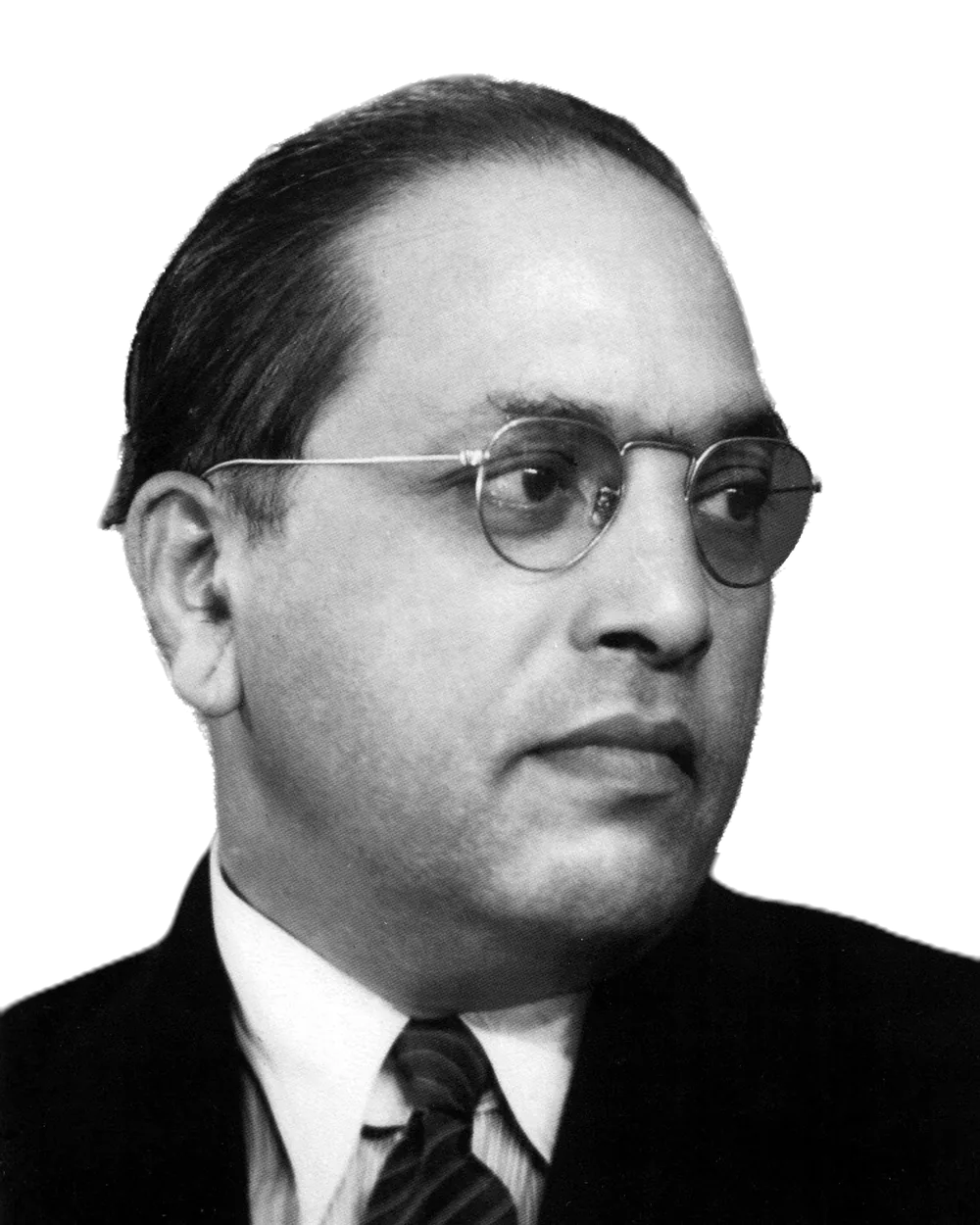
B.R. Ambedkar ka contribution is debate mein foundational hai. Unke liye caste koi harmless ritual order nahi, balki graded inequality aur social separation ka system tha, jo democracy ke moral ideal ko directly undermine karta hai. Unki famous critique—“annihilation of caste”—ritual hierarchy se aage jaakar domination, endogamy aur labor exploitation ko target karti hai.
UPSC Sociology Optional ke liye yeh debate important hai kyunki Paper 2 mein caste theory ko sirf definition ke roop mein nahi, balki historical, political and empirical lens se evaluate karna hota hai. Aaj bhi NFHS-5 mein nutrition gaps, PLFS mein labour inequality, NCRB mein atrocity patterns, aur Xaxa/Sachar/Oxfam reports mein social exclusion ke indicators caste debate ko alive rakhte hain. Isliye Dumont vs Beteille-Gupta-Ambedkar sirf theory comparison nahi, balki Indian society ke lived contradictions ka map hai.
Thinkers and Theoretical Contrast
Louis Dumont ne Homo Hierarchicus (1966) mein caste ko India ki civilizational ideology ke रूप में read kiya. Unke liye caste ka organizing principle purity-pollution hai; hierarchy ek moral-religious order hai, jahan status primary hai aur power secondary. Dumont ne Western egalitarian individualism ko India ke contrasted “holism” ke against rakha. Is approach ki strength yeh thi ki isne caste ko sirf occupation ya race nahi, balki ek symbolic system ke रूप में conceptualize kiya. But problem yeh thi ki power, resistance aur material inequality ko underplay kiya.
B.R. Ambedkar ka lens fundamentally political and emancipatory tha. Annihilation of Caste mein unhone caste ko endogamy-based graded inequality bataya. Unke liye caste ka heart ritual purity nahi, balki social division of labourers tha—where hierarchy is reproduced through marriage, commensality and exclusion. Ambedkar ne Dharma-shastra tradition, Brahmanical hegemony aur untouchability ko directly target kiya. Dumont caste ko samajhne mein symbolic clarity dete hain; Ambedkar uske oppressive structure ko expose karte hain.
Andre Beteille ne Caste, Class and Power (1965) mein empirical sociology se argument diya ki caste ko class aur power ke bina nahi samjha ja sakta. Unki famous contribution yeh hai ki South Indian village studies ke through unhone dikhaya ki ritually upper caste hamesha economically dominant nahi hoti, aur power networks land, education aur politics se bhi bante hain. Beteille ne status, class aur power ko analytically distinct but interrelated categories ke रूप में treat kiya. Yeh Dumont ke status-only emphasis se sharper empirical model deta hai.
Dipankar Gupta ne Interrogating Caste aur later writings mein kaha ki caste ab ek monolithic holism nahi, balki discrete and segmented identities ka field hai. Reservation, democracy, urban migration aur market relations ne caste ko weaken bhi kiya aur reconfigure bhi. Gupta ke liye caste modernity se disappear nahi hui; balki its social meaning shifted from ritual order to strategic identity. Isliye caste politics ko static tradition ki tarah nahi, dynamic negotiation ki tarah read karna chahiye.
Nicholas Dirks ne Castes of Mind (2001) mein colonialism ko central variable banaya. Unka argument tha ki British census, ethnography, legal codification aur administrative classification ne caste ko zyada rigid aur pan-Indian category banaya. Matlab caste pre-colonial reality thi, par modern “system” ka form colonial knowledge practices ne harden kiya. Dirks Dumont se is sense mein alag hain ki wo caste ko timeless civilizational essence nahi, balki historical production maanते hain.
Analytically, Dumont culture-centered explanation dete hain; Beteille structural inequality bring karte hain; Gupta agency and change highlight karte hain; Ambedkar domination and annihilation ko central rakhte hain; aur Dirks colonial state ke role ko foreground karte hain. UPSC answer mein inhe “either-or” nahi, balki layered framework ki tarah present karna chahiye.
| Aspect | Dumont: Homo Hierarchicus | Beteille, Gupta & Ambedkar |
|---|---|---|
| Core principle | Purity-pollution aur status hierarchy caste ka central logic hai. | Caste ko class, power, endogamy aur domination ke saath samjho. |
| Nature of caste | Holistic, ritual order aur civilizational system. | Dynamic, conflictual, segmented aur historically changing. |
| Power analysis | Power status ke subordinated hai; ritual rank primary hai. | Power autonomous bhi ho sakta hai; land, politics aur state matter karte hain. |
| Critical limitation | Material inequality, violence aur resistance underexplained. | Empirical and historical depth zyada; caste ko social structure ke broader context mein place karta hai. |
Indian Evidence and Empirical Anchors
Dumont ko test karne ke liye Indian empirical material bahut useful hai. NFHS-5 (2019-21) mein caste-wise disparities nutrition, anemia aur child health outcomes mein clear dikhti hain. Several states aur social groups ke बीच stunting, underweight aur maternal health access mein gap yeh दिखाता hai ki caste sirf ritual category nahi, bodily inequality ka structure bhi hai. Yani symbolic hierarchy ka material footprint health outcomes mein visible hai.
PLFS data labour market segmentation ko reveal karta hai. Scheduled Castes aur Scheduled Tribes ke workers ka informal sector, casual labour aur low-wage occupations mein overrepresentation caste-based economic stratification ko support karta hai. Agar caste purely status order hoti, to income aur occupation ke such persistent patterns ka explanation weak hota.
NCRB Crime in India reports SC/ST atrocities ki continuing gravity dikhate hain. Dalit women ke against sexual violence, social boycott, assault, aur humiliation cases se clear hai ki caste ko violence ke lens se bhi read karna hoga. Yeh Ambedkar ke graded inequality thesis ko empirical backing deta hai.
Sachar Committee Report (2006) though Muslim socio-economic condition par focused thi, usne broader social exclusion paradigm ko strengthen kiya—showing how identity-based marginality intersects with schooling, employment and urban poverty. Similar logic caste analysis mein bhi apply hota hai.
Xaxa Committee ne tribal deprivation, land alienation aur state neglect ko highlight kiya. Isse caste debate mein intersectional comparison milta hai: ritual hierarchy alone insufficient hai; land, forest rights aur administrative power crucial hain.
NITI Aayog’s MPI multidimensional poverty ko capture karta hai. Bihar, Jharkhand, Uttar Pradesh aur Madhya Pradesh jaise states mein deprivation patterns often social groups ke saath overlap karte hain. Caste hierarchy, poverty aur access to health/education ka correlation yahan visible hai.
Oxfam inequality reports aur Women in Labour (WIL) type gender-work studies show karte hain ki caste aur gender combined disadvantage create karte hain. Dalit women ka unpaid care burden, low-paid informal work aur underrepresentation in decision-making aaj bhi stark hai.
Ethnographically, M.N. Srinivas ke Rampura studies, Andre Beteille ke Sripuram/Trivandrum-linked empirical insights, aur later village studies ne dikhaya ki caste rank aur power always coincide nahi karte. Some dominant castes lower ritual status ke bawajood local political power hold kar sakti hain. Similarly, reservation ke through new assertive middle classes emerge hue hain, which supports Gupta’s point that caste is increasingly strategic and negotiable.
Constitutional angle se Article 17 untouchability abolish karta hai, aur SC/ST (Prevention of Atrocities) Act, 1989 caste oppression ko criminal-legal frame mein address karta hai. Supreme Court ke multiple observations on dignity, equality and affirmative action bhi yeh indicate karte hain ki caste now merely social status nahi, rights and justice ka constitutional question hai. Thus, Indian data and institutions collectively show that Dumont’s model is insightful but incomplete.
🔑 Purity-Pollution Hierarchy
Caste ka symbolic order jahan ritually pure groups ko higher status aur impure groups ko lower rank diya jata hai; Dumont ka core concept.
Critique and Nuanced Synthesis
Dumont ki sabse badi strength conceptual elegance hai, but uski sabse badi limitation historical and empirical reductionism bhi hai. Unhone caste ko ek highly coherent moral order ki tarah present kiya, jisse class conflict, agrarian relations, colonial intervention aur political mobilization ka role underexposed reh gaya. India ka caste system simply ritual hierarchy nahi; yeh land control, labour extraction, patriarchy aur state power ka composite structure hai.
Is point par Ambedkar sabse powerful counter-thinker hain. Unka focus ritual symbolism se zyada structural oppression par tha. Agar Dumont “status above power” kehte hain, Ambedkar dikhate hain ki power aur violence bina caste ko sustain nahi kar sakte. Beteille ne isi gap ko empirical sociology se bridge kiya: caste-class-power ek dusre ko shape karte hain. Gupta ne further dikhaya ki democracy, urbanization aur marketization ne caste ko static nahi rehne diya; it became fragmented, tactical and politically reworked.
Nicholas Dirks ka intervention yeh remind karta hai ki caste ko timeless Indian essence keh dena itself problematic hai. Colonial rule ne classification, enumeration aur law through caste ko rigidify kiya. Isse yeh conclusion nikalta hai ki caste neither purely ancient hai nor purely colonial; it is a precolonial social form whose modern salience was reconfigured by colonial modernity.
Best synthesis yeh hai: caste ko three levels par read karo—(1) symbolic-ritual order through Dumont, (2) material-political stratification through Beteille and Ambedkar, and (3) historical-institutional production through Dirks. Gupta ko add karne se contemporary change, negotiation aur fragmentation visible hoti hai. UPSC ke liye balanced answer wahi hoga jo Dumont ko dismiss na kare, but unki partiality clearly show kare. Caste in India is not only purity-pollution; it is also democracy’s unfinished equality project.
Answer kaise likhein
- Dumont ne caste ko purity-pollution based holistic hierarchy ke रूप में explain kiya, jahan status power se higher hai.
- Beteille ne caste ko class aur power ke saath empirically situate karke ritual-only explanation ko challenge kiya.
- Ambedkar ke liye caste graded inequality, endogamy aur social exclusion ka system tha; annihilation is the only radical remedy.
- Dirks aur Gupta ne historical change dikhaya: colonial codification aur modern democracy ne caste ko rigid bhi kiya aur reworked bhi.
Is Blog Se Jude Syllabus Chapters
Every Unit Note + Topic-Wise PYQ Mapped (English + Hinglish)
Paper 1 (10 Units) aur Paper 2 (15 Units) — Complete structured notes, thinkers, mind maps & 597 solved PYQs ek saath.
Khud ko test karo
Is post se 3 sawal
0 / 3 attempted
1. Homo Hierarchicus mein caste ka primary organizing principle kya hai?
2. Caste, class and power ko systematically link kisne kiya?
3. Castes of Mind kis thinker ki book hai?
FAQ
Aksar poochhe jaane wale sawaal
- Dumont ka central argument kya hai?
- Caste ka central logic purity-pollution hierarchy hai, jahan status power se superior aur hierarchy ritual order par based hoti hai.
- Beteille Dumont se kaise alag hain?
- Beteille caste ko caste-class-power ke intersection mein dekhte hain; unke liye material inequality aur political dominance bhi essential hain.
- Ambedkar ka core contribution kya hai?
- Ambedkar ne caste ko graded inequality aur endogamy-based oppression bataya, aur annihilation of caste ko democratic equality ka precondition kaha.
UPSC PYQs
Is topic ke Previous Year Questions
- 2024 · P2
What, according to you, are the factors responsible for the continuance of the caste system in modern India? (20 marks)
- 2023 · P2
Analyse the differences between the attributional and interactional approaches in studying the caste system. (10 marks)
- 2023 · P2
Contextualize Louis Dumont's concept of 'binary opposition' with reference to the caste system in India. (10 marks)
- 2022 · P2
In the context of the changing Indian society, how do you view André Béteille's conceptions of harmonic and disharmonic social structures? (10 marks)
Roz ke Sociology notes Telegram pe paao
Daily current affairs, PYQ linkages aur direct mentorship support Telegram par.
Related
Aur padho
- Paper 2 IndiaOWL BLOGP2
Perspectives on Indian Society (Paper 2 Unit 1): G.S. Ghurye, M.N. Srinivas & A.R. Desai (PYQ Mapped)
4 min readPerspectives on Indian Society (Paper 2 Unit 1): G.S. Ghurye, M.N. Srinivas & A.R. Desai (PYQ Mapped)
Paper 2 of UPSC Sociology Optional tests your ability to apply sociological theories to India’s complex social reality. Mastering the perspectives on Indian society Ghurye Srinivas AR Desai UPSC expects in Unit 1 is non-negotiable...
Padho → - Paper 2 IndiaOWL BLOGP2
Caste System in India for UPSC Sociology: Purity-Pollution, Dominant Caste, Sanskritisation & Dalit Capitalism
4 min readCaste System in India for UPSC Sociology: Purity-Pollution, Dominant Caste, Sanskritisation & Dalit Capitalism
If you are aiming for 300+ in UPSC Sociology Optional, mastering Paper 2 — Unit 4 (Caste System) is non-negotiable. Every year, UPSC tests your ability to connect classical Indological theories with contemporary realities like...
Padho → - ThinkersOWL BLOGP2
M.N. Srinivas Complete UPSC Sociology Notes: Sanskritisation, Westernisation & Dominant Caste (With PYQs)
4 min readM.N. Srinivas Complete UPSC Sociology Notes: Sanskritisation, Westernisation & Dominant Caste (With PYQs)
Mysore Narasimhachar (M.N.) Srinivas is arguably the most frequently tested Indian thinker in UPSC Mains. For aspirants targeting a top rank, mastering MN Srinivas Sanskritisation dominant caste UPSC sociology frameworks is...
Padho →