Current Affairs
UPI, Aadhaar & ONDC: Expanding Economic Inclusion or Digital Panopticon?
UPI, Aadhaar aur ONDC India mein inclusion ko widen kar rahe hain, lekin exclusion errors, surveillance aur platform dependence ke through ek digital panopticon ka risk bhi badh raha hai.
Source:NPCI / RBI ↗The Hindu ↗
Khabar ek nazar mein
- UPI ne retail digital payments ko mass scale par normalize kiya; India ka instant payment ecosystem low-cost transactions aur small merchants ke liye accessibility badhata hai.
- Aadhaar-linked authentication ne welfare delivery ko streamline kiya, lekin Reetika Khera ke studies exclusion errors, biometric failures aur authentication denial ko highlight karte hain.
- ONDC kiranas aur SHGs ko platform access dekar market inclusion promote karta hai; lekin network effects kuch intermediaries aur data controllers ko disproportionate power de sakte hain.
- Merton ke latent dysfunctions ke lens se, intended benefits ke saath unintended harms bhi aate hain: surveillance, profiling, dependency aur digital divide ka widening.
1. Khabar & Latest Data
UPI, Aadhaar aur ONDC aaj India ke digital welfare-market architecture ke core pillars ban chuke hain. Inka stated goal hai economic inclusion: cashless transactions, direct benefit transfer, last-mile authentication, aur small sellers ko digital market access. UPI ne payment cost ko almost zero-ke-barabar kiya hai aur daily retail transactions ko mainstream bana diya. NPCI data ke recent trend ke mutabik, UPI volumes consistently multi-billion monthly transactions ke level par ja rahe hain, jo is platform ki mass adoption ko dikhata hai. Aadhaar-based e-KYC aur authentication se subsidy delivery, bank account se linking, aur DBT mechanisms ko scale mila hai. ONDC, jo Open Network for Digital Commerce hai, ka aim e-commerce ko platform monopoly se bahar nikal kar kiranas, MSMEs aur SHGs ke liye open network create karna hai.
Lekin khabar ka dusra side bhi important hai. Reetika Khera aur other empirical researchers ne repeatedly dikhaya hai ki Aadhaar authentication errors, biometric mismatch, server failure aur connectivity issues vulnerable groups ke liye exclusion create karte hain. PDS, pensions, MGNREGA wage payments aur welfare entitlements me denial cases reported hue hain. Isliye question sirf inclusion ka nahi, balki inclusion ka quality, reliability aur dignity bhi hai.
2. Sociological Perspectives & Thinkers
Is issue ko sociology ke lens se dekhna bahut zaroori hai kyunki technology neutral nahi hoti; woh power relations ko reconfigure karti hai.
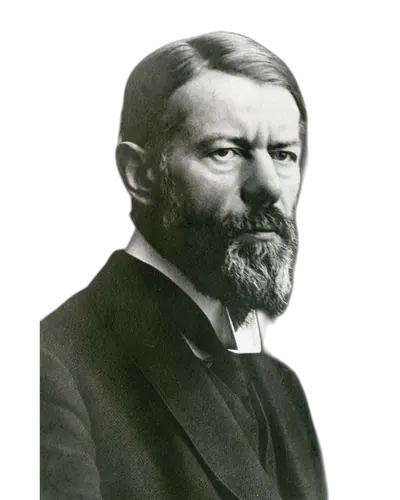
Max Weber: Rationalization and Bureaucratic Control
Weber ke according modern society rationalization ke through chalta hai: rules, calculability, records aur predictability. Aadhaar-DBT-UPI ecosystem Weberian bureaucracy ko aur intense banata hai. Digital identifiers, audit trails aur algorithmic verification administrative efficiency increase karte hain. Par Weber ne yeh bhi warn kiya tha ki rational-legal systems “iron cage” create kar sakte hain jahan efficiency human discretion aur humane judgment ko replace kar deti hai. Welfare access jab machine-authentication par depend kare, tab citizen ek beneficiary se zyada a data point ban sakta hai.
Foucault ka Panopticon: Surveillance and Self-Discipline
Though syllabus me named thinker ke roop me Foucault diya nahi gaya, question ke sociological frame me unka concept highly relevant hai. Aadhaar-linked traceability, UPI transaction logs aur ONDC platform analytics ek surveillance architecture create kar sakte hain jahan state aur platform actors individuals ke economic behavior ko continuously observe kar sakein. Panopticon ka core idea hai visible yet uncertain observation, jisse log self-discipline adopt karte hain. Economic inclusion ke naam par datafication social control me convert ho sakti hai.
Robert K. Merton: Manifest and Latent Functions
Merton ka functional analysis is topic ko explain karne ke liye ideal hai. Manifest function: welfare targeting better hona, transaction efficiency, market access, leakage reduction. Latent dysfunctions: exclusion errors, privacy erosion, data breaches, dependency on intermediaries, digital illiteracy ka exclusion, aur informal workers ka algorithmic marginalization. Merton humein sikhate hain ki kisi institution ke intended outcomes aur unintended consequences ko alag se analyse karna chahiye.
Parsons: Variable-sum Empowerment
Parsons ke systemic view ko use karke argue kiya ja sakta hai ki digital systems social integration aur role differentiation ko improve kar sakte hain. SHGs aur kiranas ko ONDC ke through new opportunities mil sakti hain, jisse households ki adaptive capacity badhe. Variable-sum empowerment ka idea yeh hai ki ecosystem me kuch actors ka gain dusron ke liye zero-sum loss nahi, balki overall inclusion boost kar sakta hai. Par yeh tabhi true hai jab institutions supportive hon, not extractive.
3. Indian Context & Case Studies
India ka case highly layered hai. Ek taraf UPI ne small merchants, auto drivers, street vendors aur gig workers ke liye digital payments ko accessible banaya. Kirana stores ne QR code adoption se informal commerce ko semi-formal economy me integrate kiya. SHGs, especially rural women collectives, digital payments aur ONDC-based selling se new market channels explore kar rahi hain. Yeh clearly social mobility aur financial inclusion ko support karta hai.
Dusri taraf, Aadhaar se linked welfare delivery me documented exclusion cases aaye hain. Jharkhand, Rajasthan, Uttar Pradesh aur other states me PDS se denial, pension delays, biometric mismatch, aur offline failure ke reports researchers aur civil society ne note kiye hain. Reetika Khera ki work ne repeatedly show kiya hai ki authentication failure koi rare anomaly nahi, balki systemic issue bhi ho sakta hai, especially for manual labourers, elderly people, workers with worn fingerprints, and remote rural populations.
ONDC ke case me, inclusion ka promise genuine hai, but platform governance ka question critical hai. Agar kiranas ko digitized supply chains me entry milti hai, to margins improve ho sakte hain. But platform data, ranking algorithms aur seller visibility par control kisi few intermediaries ke paas concentrated ho sakta hai. Isse Weberian bureaucratic power ka digital version aur strong ho sakta hai. Small sellers competitive banne ke bajay data-dependent ho sakte hain.
Isliye India ke digital stack ko one-way success story ki tarah nahi, balki contested institutional field ki tarah padhna chahiye. State capacity, market efficiency aur citizen dignity ke beech balance crucial hai.
4. UPSC Mains Linkage & Model Question Approach
Paper 1 Linkage
- Science, technology and social change: technology ka role in restructuring work, welfare, consumption, aur everyday life.
- Sociological theories of power: surveillance, bureaucracy, data control, and institutional domination.
- Merton, Weber aur broader social consequences of rationalization par strong linkage.
Paper 2 Linkage
- State, welfare delivery, digital governance, inequality, gendered exclusion, rural-urban divide, aur informal economy.
- SHGs, kiranas, MSMEs aur welfare beneficiaries ke lived experiences par focus.
- Indian society me digital divides aur access-to-rights issue.
Model Answer Approach
- Introduction me define karo: UPI, Aadhaar aur ONDC as digital inclusion tools.
- Balanced thesis do: inclusion vs exclusion/surveillance.
- Weber + Merton + Foucault + Parsons ko conceptually apply karo.
- Indian empirical examples do: UPI adoption, Aadhaar exclusion reports, ONDC for kiranas/SHGs.
- Conclusion me policy direction likho: offline fallbacks, grievance redressal, data minimization, consent-based architecture, and inclusive digital literacy.
Model Question
“Discuss whether India’s digital public infrastructure represented by UPI, Aadhaar and ONDC is expanding economic citizenship or creating a new regime of digital surveillance.”
High-Scoring Pointers
- Define economic citizenship and digital surveillance.
- Show both opportunities and risks.
- Use named thinkers explicitly: Weber, Merton.
- Add empirical Indian evidence.
- End with nuanced policy suggestions.
| Term | Matlab | Thinker |
|---|---|---|
| Digital Panopticon | Aisa surveillance system jahan continuous data-tracking se individuals self-discipline karte hain. | |
| Manifest and Latent Functions | Intended outcomes aur unintended consequences ka Mertonian distinction. | |
| Rationalization | Weber ka concept jisme rules, efficiency aur calculability social life ko organize karte hain. | |
| Exclusion Error | Jab eligible person authentication, data mismatch ya process failure ki wajah se benefit se vanchit ho jaye. |