Current Affairs
Coaching Hub Distress & Exam Anxiety: Reading India’s Youth Through Durkheim’s Anomie
Coaching hub distress ko Durkheim ke anomie aur Merton ki strain theory se padhiye: exam pressure, credential race, aur parental deregulation youth anxiety ko deepen kar rahe hain.
Khabar ek nazar mein
- India ke aspirational districts aur coaching hubs mein exam stress, sleep loss aur mental health complaints youth distress ka growing pattern dikhate hain.
- MoE 2024 coaching guidelines se unregulated coaching ecosystem par scrutiny badhi hai; fee pressure, aggressive marketing aur parental expectations key issues hain.
- Durkheim ke anomie/fatalistic suicide framework se norms breakdown aur excessive regulation dono ko youth anxiety ke drivers ke roop mein padha ja sakta hai.
- Merton ki means-goals strain aur Randall Collins ki credential society explain karti hain ki limited opportunities mein degrees aur ranks social mobility ka gatekeeper ban jaate hain.
1. Khabar & Latest Data
Coaching hubs, especially Kota-type education clusters, India ke youth anxiety ka symbolic center ban gaye hain. News cycle mein recurring concern hai: competitive exams ke around rising distress, burnout, isolation, aur suicidal ideation. Yeh sirf individual weakness ka case nahi, balki a broader social structure ka indicator hai jahan exam performance ko life-chances ka main filter bana diya gaya hai.
Latest policy environment mein Ministry of Education (MoE) 2024 coaching guidelines ek important response hain. In guidelines mein under-16 students ke liye coaching-related constraints, misleading advertising par restrictions, aur student welfare measures ka emphasis dikhta hai. Iska sociological meaning clear hai: state ab coaching economy ko ek regulated social institution ke roop mein dekh rahi hai, not merely a private market.
Empirically, India ke competitive exam ecosystem ka scale huge hai. UPSC, JEE, NEET, banking, SSC, state services aur private entrance exams ke liye lakhs of students annual basis par migrate karte hain coaching towns ki taraf. National-level reports aur media documented patterns baar-baar show karte hain ki coaching cities mein mental health support, hostel segregation, parental pressure, aur fee burden intense hote hain. Youth distress ka yeh geography urban sociology aur education sociology dono ke liye important case hai.
Kota, Hyderabad, Delhi NCR, Prayagraj, Jaipur, Patna, aur other education nodes mein exam pressure ki spatial concentration dikhati hai ki education now a full-fledged status competition arena ban chuka hai. Suicide clusters ya crisis cases ko over-read nahi karna chahiye, but they do signal structural strain in the institution of merit.
2. Sociological Perspectives & Thinkers
Durkheim: Social Fact, Anomie, and Suicide
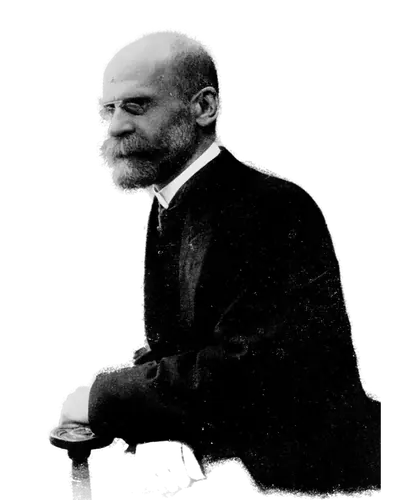
Emile Durkheim ke liye suicide ek purely personal act nahi tha; it is shaped by social facts. Unhone suicide ko society ke integration aur regulation ke levels se link kiya. Current coaching distress ko samajhne ke liye Durkheim ka anomic suicide sabse relevant hai: jab norms weaken ho jaate hain, expectations unstable ho jaati hain, aur individual ko clear moral/ social guidance nahi milti.
Coaching ecosystem mein anomie ka form tab dikhta hai jab:
- exam success ko zindagi ka only legit route bana diya jaata hai,
- failure ko total identity failure ki tarah frame kiya jaata hai,
- hostel life aur parental distance se moral regulation weak ho jaati hai,
- student ke paas alternative life pathways visible nahi hote.
Durkheim ka fatalistic suicide bhi useful hai. Yeh excessive regulation aur oppressive discipline ki situation ko denote karta hai. Coaching centers mein rigid schedules, surveillance, constant testing, aur achievement monitoring kabhi-kabhi fatalistic pressure create karte hain. Isliye distress ko sirf lack of norms nahi, balki over-regulation ke lens se bhi dekha ja sakta hai.
Robert K. Merton: Strain Theory & Functions of Deviance
Robert K. Merton ki strain theory batati hai ki jab culturally approved goals aur legitimate means mein mismatch hota hai, tab strain produce hota hai. Indian education context mein goal = success, rank, degree, job; means = limited seats, expensive coaching, unequal schooling, language advantage, digital access. Jab middle-class aur lower-middle-class youth ko lagta hai ki hard work ke bawajood legit means insufficient hain, strain intensify hota hai.
Merton ka framework suicide ko directly explain nahi karta, but deviance aur adaptation patterns samajhne mein help karta hai. Youth may respond through:
- conformity: same race mein aur zyada push karna,
- ritualism: mechanical preparation without hope,
- retreatism: withdrawal, dropout, isolation,
- rebellion: system ko reject karke alternative trajectories.
Education system mein deviance ka ek subtle form bhi hota hai: cheating, over-reliance on shortcuts, mental collapse, or withdrawal. Merton ke hisaab se jab opportunity structure unequal ho, toh “normal” looking competition bhi structural strain se driven hoti hai.
Randall Collins: Credential Society
Randall Collins ki credential society theory yahan highly relevant hai. Collins ke अनुसार educational credentials become a mechanism of social closure. Degree aur rank sirf knowledge ka proof nahi, बल्कि access to jobs, status, and marriageability ka gatekeeper ban jaate hain.
India mein coaching culture credential race ko aur intensify karta hai. Students padhte hain not only for learning, but for symbolic ranking. Yeh credential inflation create karta hai: more degrees required for same opportunities, aur ever-rising competition. Is process mein youth anxiety rational response ban jaata hai.
Linking Paper 1 concepts
Paper 1 ke under yeh case social facts, suicide, social change, social control, deviance, institutions, and culture se link hota hai. Exam anxiety ek cultural expectation aur social fact dono hai. Coaching hubs modernity ke contradictions dikhate hain: aspiration, individualism, consumerism, aur institutional pressure ek saath.
3. Indian Context & Case Studies
India ka education landscape highly stratified hai. School quality, language medium, gender norms, caste location, and class background determine karte hain ki competitive race mein kaun kitna prepared start karta hai. Coaching industry is inequality ko amplify bhi karti hai aur sometimes compensate bhi karti hai—lekin cost ke saath.
Coaching hubs as social environments
Coaching towns mein youth often family se door rehte hain. This relocation reduces informal social support and increases dependence on peer comparison and tutor authority. Hostels, PGs, libraries, and test series create an intense merit subculture. Aisi environment mein self-worth performance se tie ho jaati hai.
Parental deregulation and expectation overload
User brief mein “parental deregulation” ka point important hai. Sociologically, yahan do processes saath kaam karte hain: ek taraf parents ka physical supervision kam hota hai; dusri taraf emotional and financial expectations bahut high hoti hain. This creates a contradiction: autonomy without support, freedom without security. Durkheim ke terms mein yeh normlessness aur weak integration ka combination hai.
India-specific inequality markers
- Urban-rural divide: coaching access and quality prep urban centers mein concentrated hai.
- Class divide: expensive repeated attempts afford karna sabke liye possible nahi.
- Digital divide: online test series aur hybrid learning opportunities unequal hain.
- Gendered constraints: many young women face mobility restrictions, family surveillance, and safety concerns.
- Caste and first-generation learners: cultural capital aur guidance gaps strain ko aur deepen karte hain.
Empirical policy lens
MoE 2024 coaching guidelines ka significance yeh hai ki state ne recognize kiya hai ki unregulated coaching market can produce harm. However, guidelines ki effectiveness implementation par depend karegi—monitoring, counselling, hostel standards, transparent fee structures, aur grievance redressal ke bina reform symbolic reh sakta hai.
Case studies show that when institutions provide counselling, peer support, and realistic goal-setting, distress lower ho sakta hai. Hence, problem individual resilience ka nahi, institutional design ka bhi hai.
4. UPSC Mains Linkage & Model Question Approach
Paper 1 linkage
- Emile Durkheim: social fact, suicide, integration-regulation, anomie, fatalistic suicide
- Robert Merton: strain theory, deviance, goals-means mismatch
- Culture and socialization: parental expectations, peer comparison, merit ideology
- Social change and modernity: credential race as modern institutional pressure
Paper 2 linkage
- Education as social institution
- Social inequality and stratification
- Youth problems and deviance
- Indian society and marketization of education
- State regulation and policy response
Model Mains Question Approach
A strong answer should use this structure:
- Introduction: define coaching distress as structural issue, not just individual anxiety.
- Theoretical core: explain Durkheim’s anomie/fatalistic suicide and Merton’s strain theory.
- Add contemporary lens: Collins’ credential society, MoE guidelines, and coaching market regulation.
- Indian evidence: mention coaching hubs, inequality, migration, family pressure, and policy responses.
- Conclusion: argue for integrated reform—mental health support, fair regulation, broader opportunity structure.
How to write value addition in the exam
- Use terms like social fact, anomie, regulation, integration, strain, credential inflation, social closure, deviance.
- Write that coaching distress is a symptom of “meritocracy under inequality.”
- Conclude with a sociological line: when society converts education into a total life-chance market, anxiety becomes structurally produced.
Mini model conclusion
Coaching hub distress is not merely a mental health issue; it is a manifestation of anomic regulation, credential inflation, and unequal opportunity structure. Durkheim, Merton, and Collins together show why Indian youth experience exam pressure as a social fact, not a private failure.
| Term | Matlab | Thinker |
|---|---|---|
| Anomie | Norms aur social guidance ka breakdown, jisse youth ko directionless pressure feel hota hai. | |
| Fatalistic suicide | Excessive regulation aur oppressive discipline se पैदा होने वाला distress-driven self-harm framework. | |
| Strain theory | Jab cultural goals aur legitimate means mismatch karte hain, tab tension aur deviance badhta hai. | |
| Credential society | Aisi society jahan degrees aur ranks social mobility aur status access ke gatekeepers ban jaate hain. |