Current Affairs
106th Constitutional Amendment Reserves 33% Seats for Women: Empowerment or Tokenism?
106th Amendment se Lok Sabha aur State Assemblies me 33% women reservation ka naya phase shuru. Par sawal hai: real empowerment ya elite/token representation?
Khabar ek nazar mein
- 106th Constitutional Amendment ne Lok Sabha aur State Assemblies me 33% seats women ke liye reserve ki; implementation delimitation aur census-linked process se जुड़ी hai.
- Drude Dahlerup ki critical mass theory ke mutabik ~30% se niche women representation aksar symbolic hoti hai; 33% threshold isliye sociologically significant hai.
- Panchayat experience me 14 lakh+ women elected huiं, par Pradhan-Pati phenomenon ne dikhaya ki formal representation ke baad bhi patriarchal control sustain ho sakta hai.
- Intersectional politics ke under OBC women sub-quota ki demand tez hai, kyunki class-caste-gender inequality bina internal diversity ko address kiye reservation elite capture bana sakta hai.
1. Khabar & Latest Data
106th Constitutional Amendment ne women ke liye Lok Sabha aur State Legislative Assemblies me 33% reservation ka constitutional framework diya. Iska political symbolism strong hai, lekin actual implementation delimitation exercise aur relevant census-linked process se जुड़ा hua hai. Isliye immediate impact se zyada medium-term institutional change ki expectation hai.
Sociologically, is amendment ka sabse important feature yeh hai ki women ko political sphere me “descriptive representation” dene ka claim karta hai. Yani women ka presence sirf welfare beneficiaries ke roop me nahi, balki decision-making institutions ke andar bhi hona chahiye. Lekin question yeh hai ki kya numerical inclusion se substantive empowerment bhi aayega?
Latest empirical reference panchayat experience se milta hai. India me 14 lakh+ women elected representatives panchayati raj institutions me aa chuki hain. Yeh duniya ke largest experiments me se ek hai. Phir bhi many states me “Pradhan-Pati” phenomenon report hua, jahan elected woman representative ke badle husband ya male relative de facto decision-making karta hai. Isse clear hota hai ki legal quota alone patriarchal domination ko automatically dissolve nahi karta.
2. Sociological Perspectives & Thinkers
Drude Dahlerup ki critical mass theory is debate ka core hai. Unke according jab women ki representation lagbhag 30% threshold cross karti hai, tab unka influence symbolic tokenism se nikal kar real agenda-setting me badal sakta hai. 33% reservation isliye significant hai kyunki yeh critical mass ke close hai. Par theory yeh bhi imply karti hai ki mere numbers enough nahi; institutional culture aur power structures bhi matter karte hain.
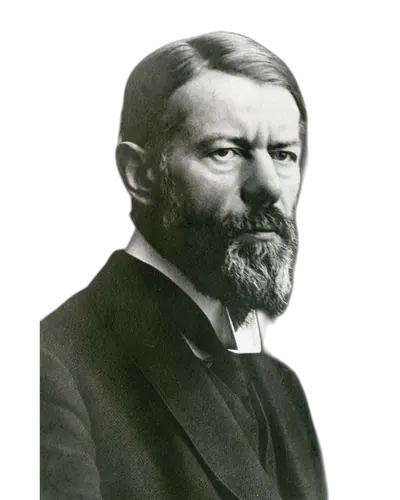
Max Weber ke lens se dekhen to politics sirf legal authority ka domain nahi, balki power, domination aur legitimacy ka bhi field hai. Women reservation state ki legitimacy ko enhance kar sakta hai, kyunki democratic order apni representativeness bada raha hai. Lekin agar decision-making elite same patriarchal networks me confined rahe, to domination ka structure unchanged reh sakta hai.
B.R. Ambedkar ka contribution yahan foundational hai. Ambedkar ne social democracy ko political equality ke saath social equality se joda tha. Unka standpoint yeh tha ki formal rights tab tak meaningful nahi hote jab tak caste-gender hierarchy unhe hollow na kar de. Is perspective se women reservation ek necessary step hai, but sufficient nahi. Agar women category ke andar bhi caste and class hierarchy hai, to “women” ek homogenous bloc nahi hai.
Isi liye intersectionality bahut important hai. OBC women sub-quota ki demand ka sociological basis strong hai, because upper-caste women often better access to party networks, education, and resources rakhte hain. Without sub-categorisation, reservation ka fayda relatively privileged women tak limited ho sakta hai. Yeh elite capture ka classic case ban sakta hai.
3. Indian Context & Case Studies
Indian women’s movement ne long time se political reservation ko demand kiya hai, but debate hamesha nuanced rahi hai. Ek taraf quota ko patriarchal exclusion ka corrective mana gaya; doosri taraf concern रहा ki male-dominated parties women candidates ko “safe seats” ya proxy positions me push kar sakti hain.
Political parties aur pressure groups ki role yahan decisive hai. Parties candidate selection gatekeepers hain. Agar party ticket distribution internal democracy ke bina chale, to reservation se aane wali women representatives ko real autonomy milna difficult hoga. Weberian sense me party organization itself ek bureaucratic power structure hai, jahan access, patronage aur loyalty crucial hote hain. Women ko sirf entry nahi, organizational leadership bhi chahiye.
Panchayat India ka strongest case study hai. Studies dikhati hain ki reserved seats ne women ki visible participation badhayi, public goods spending par bhi kuch positive effects aaye, especially drinking water, sanitation aur health-related concerns me. Lekin kai regions me proxy representation aur patriarchal mediation continue hua. Isse yeh lesson milta hai ki institutional design ko accountability mechanisms se jodna hoga: capacity building, political training, independent exposure, aur party-level mentorship.
Ek aur important dimension intersectional demand hai: OBC women sub-quota. Agar reservation general category women ke favor me disproportionate ho jaye, to historically marginalized women ki underrepresentation continue ho sakti hai. Isse reservation ka redistributive promise dilute hota hai. Social justice ka matlab sirf women vs men nahi, balki women ke andar bhi inequality ko recognize karna hai.
Yeh point Ambedkarite framework se strong hai: representation should track social hierarchy, not just identity labels. Iska matlab gender justice ko caste justice ke bina imagine nahi kiya ja sakta.
4. UPSC Mains Linkage & Model Question Approach
Paper 2 linkage
- Women’s movement: women’s political representation, patriarchal resistance, substantive empowerment.
- Political parties and pressure groups: ticket distribution, candidate selection, internal democracy, lobbying for sub-quotas.
- State and social policy: constitutional amendment as policy intervention.
Paper 1 linkage
- Power and domination: Weberian authority structures, elite control, legitimacy.
- Gender and inequality: patriarchy, tokenism, intersectionality, social stratification.
- Social change: constitutional reform as institutional change, but slow cultural transformation.
How to frame a Mains answer
- Start with balanced thesis: 106th Amendment is a major corrective step, but not automatically emancipatory.
- Use theory: Define critical mass theory; mention Weber for power structures and Ambedkar for social democracy.
- Add Indian evidence: Panchayat women elected, Pradhan-Pati issue, party gatekeeping, OBC women demand.
- Evaluate both sides: empowerment through visibility, role-model effect, policy responsiveness; tokenism through proxy control, elite capture, delayed implementation.
- End with reform agenda: sub-quota for OBC women, party reform, leadership training, anti-proxy safeguards, and institutional support.
Model Mains Question
“Assess the 106th Constitutional Amendment in the light of women’s movement and the sociology of representation. Does it ensure empowerment or risk tokenism?”
Suggested answer structure
- Intro: define descriptive vs substantive representation.
- Body I: supportive arguments using critical mass theory and democratic inclusion.
- Body II: critical arguments using Pradhan-Pati, elite capture, party gatekeeping.
- Body III: intersectional critique and OBC women sub-quota.
- Conclusion: reservation is necessary but must be backed by organizational reform and social change.
Overall, this amendment is best understood as a transformative opportunity whose success will depend on whether women enter institutions as independent political actors or merely as symbolic occupants of reserved chairs.
| Term | Matlab | Thinker |
|---|---|---|
| Critical Mass Theory | Drude Dahlerup ka idea: ~30% representation ke baad minority group ka real influence badhta hai, tokenism kam hota hai. | |
| Descriptive Representation | Jab elected bodies me target group ki presence numerically reflect hoti hai, jaise women seats reservation. | |
| Pradhan-Pati Phenomenon | Proxy governance jahan elected woman representative ke badle male relative de facto power exercise karta hai. | |
| Intersectionality | Gender, caste, class jaise identities ka combined effect; women ek homogeneous group nahi hoti. |