Current Affairs
NITI Aayog Sees 23.5M Gig Workers by 2030 as States Draft Platform Social Security
NITI Aayog ke mutabik 2030 tak 23.5 million gig workers ho sakte hain; states platform social security aur welfare boards ke through precarity ko regulate karne ki koshish kar rahe hain.
Source:NITI Aayog ↗Mint ↗
Khabar ek nazar mein
- NITI Aayog projection ke hisaab se India mein gig workers 2030 tak 23.5 million tak pahunch sakte hain, jo labour market ka major segment banega.
- Platform work mein algorithmic management, 10-minute delivery deadlines, dynamic incentives aur app-based surveillance se work autonomy kam hoti hai.
- Rajasthan aur Karnataka jaise states platform welfare boards aur social security models draft kar rahe hain, taaki accident cover, insurance aur welfare access mil sake.
- Sociologically dekhen to ye trend precarity, informalization aur labour deskilling ko deepen karta hai; ye Paper 1 ke work, stratification aur modernity debates se directly linked hai.
1. Khabar & Latest Data
NITI Aayog ke latest assessment ke mutabik India mein gig economy ka scale rapidly expand ho raha hai aur 2030 tak gig workers ki sankhya 23.5 million tak pahunch sakti hai. Iska matlab hai ki labour market mein ek bada hissa aise workers ka hoga jo fixed employer-employee relation ke bahar kaam karte hain aur app-based platforms, task-based contracts ya short-term assignments par depend karte hain.
Is news ka core issue sirf employment growth nahi, balki employment quality hai. Gig work ke saath algorithmic management जुड़ गया hai: app-based task allocation, ratings, surge pricing, geofencing, real-time tracking aur strict time targets. Khaas kar food delivery aur quick-commerce sectors mein 10-minute delivery deadlines ne kaam ko aur zyada compressed aur high-pressure bana diya hai. Isse worker ka control, bargaining power aur work-life balance sab impact hote hain.
State level par kuch proactive experiments bhi chal rahe hain. Rajasthan aur Karnataka platform social security ya welfare board models draft karne ki direction mein kaam kar rahe hain, taaki gig aur platform workers ko accident insurance, health coverage, old-age support, maternity benefits aur grievance redressal mil sake. Ye developments is baat ka संकेत hain ki labour regulation ko 21st century platform capitalism ke hisaab se redesign karna padega.
2. Sociological Perspectives & Thinkers
Is issue ko samajhne ke liye Paper 1 aur Paper 2 dono ke concepts useful hain.
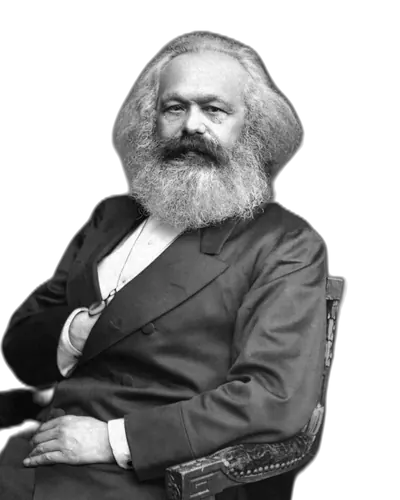
Karl Marx: Alienation aur Exploitation
Marx ke according capitalist production mein worker apne labour process aur product se alienated ho jata hai. Gig economy mein ye alienation aur deepen hoti hai, kyunki worker app ka “independent partner” dikhaya jata hai, lekin decision-making platform ke paas hoti hai. Worker ka labour fragmented ho jata hai: ek order, ek ride, ek task. Is tarah labour commodity ban jata hai aur worker ka surplus extraction hidden form mein hota hai.
Marx ke lens se dekhen to platform economy ek nayi form of exploitation hai, jahan risk worker par shift ho jata hai—bike maintenance, fuel, data costs, waiting time aur demand uncertainty sab worker bear karta hai. Platform profit ke saath worker insecurity systemically normalized ho jati hai.
Max Weber: Rationalization aur Bureaucratic Control
Weber ka rationalization concept yahan highly relevant hai. Gig work physically flexible lag sakta hai, lekin actually ye highly rationalized aur quantified system hai. App-based metrics, ratings, delivery-time norms aur performance dashboards ek digital bureaucracy create karte hain. Traditional bureaucracy mein human supervisor hota tha; yahan algorithm ek impersonal authority ke roop mein kaam karta hai.
Weber ke hisaab se modernity mein calculability aur predictability badhti hai, lekin human freedom kam ho sakti hai. Platform work mein ye paradox clearly dikhta hai: formal flexibility ke saath informal coercion. Worker ko “free” contractor kaha jata hai, par algorithmic incentives aur penalties uske behaviour ko tightly regulate karte hain.
Guy Standing: Precariat
Guy Standing ne precariat ko ek emerging social class ke roop mein describe kiya tha—jahan work insecurity, income volatility aur social protection ki कमी hoti hai. India ka gig worker is precariat ka perfect example hai. In workers ke paas stable occupational identity, career ladder aur welfare guarantees nahi hoti. Is wajah se unki social citizenship partial ho jati hai.
Braverman: Deskilling
Harry Braverman ke labour process theory ke mutabik capitalism work ko simplify karke worker ki skill autonomy ko reduce karta hai. Platform economy mein ye deskilling observable hai: navigation, customer interaction, routing aur performance decisions app/system ke paas shift ho jate hain. Worker ka job zyada repetitive aur standardized ho jata hai.
3. Indian Context & Case Studies
India mein gig economy ka expansion urban consumption, e-commerce, quick commerce, food delivery, ride-hailing aur home services ke growth se linked hai. But labour market already highly informal hai; isliye gig work formalization ka simple pathway nahi, balki informality ka platformized version ban sakta hai.
Rajasthan aur Karnataka: Welfare Board Model
Rajasthan aur Karnataka platform welfare boards ya dedicated social security frameworks explore kar rahe hain. Ye important hai kyunki Indian labour governance historically factory-based or establishment-based raha hai. Gig work mein employer diffuse hota hai, isliye existing labour laws direct fit nahi hote. Welfare board model state ko ek intermediary role deta hai—registration, contribution pooling, benefit portability aur dispute resolution.
Platform Work aur Everyday Insecurity
India ke delivery workers aur ride-hailing workers par studies repeatedly dikhati hain ki earnings unstable hoti hain aur working hours excessively long ho sakte hain. Peak hours me incentives milte hain, par off-peak me income sharply gir sakti hai. Is se household budgeting aur social mobility plans disturb hote hain.
Informal Sector aur Child Labour Link
Ye topic informal-sector-child-labour se bhi linked hai because labour insecurity family strategies ko shape karti hai. Jab adult workers ki income volatile hoti hai, to households mein children ki schooling discontinuity, care burden aur supplementary work ka risk badhta hai. Informal employment ke pressures intergenerational vulnerabilities create karte hain. Sociology of work yahan child labour ko direct absence of law ke bajay structural precarity ke outcome ke roop mein dekhti hai.
Indian Data Lens
India already globally one of the largest informal labour markets mein se hai. Gig work ka expansion us existing structure par overlay ho raha hai. Isliye policy challenge sirf “job creation” nahi, balki decent work, portability of benefits aur algorithmic accountability ka hai. Agar 23.5 million gig workers ka estimate sach hota hai, to ye labour force ka ek major constituency ban jayegi jise social security architecture mein explicitly include karna hoga.
4. UPSC Mains Linkage & Model Question Approach
Paper 1 Linkage
Paper 1 mein is news ko work, economy, modernity, social change, stratification, alienation aur rationalization se jodiye. Thinkers: Karl Marx, Max Weber, Harry Braverman, Guy Standing. Answer mein dikhaiye ki gig economy sirf technological change nahi balki labour process ka sociological transformation hai.
Paper 2 Linkage
Paper 2 mein Indian society, labour, inequality, welfare state, informal sector aur social justice ko connect kijiye. State welfare boards, labour codes, social security portability, and platform regulation ko Indian institutional context mein place kijiye.
Model Question Approach
Question framing: “Discuss the sociological implications of gig work in India with reference to labour precarity, algorithmic management and social security.”
Intro: Gig economy ko define kijiye aur NITI Aayog ke 23.5 million projection ka use kijiye.
Body Paragraph 1: Work transformation—algorithmic management, 10-minute deadlines, flexibility vs control.
Body Paragraph 2: Theoretical analysis—Marx (alienation/exploitation), Weber (rationalization), Standing (precariat), Braverman (deskilling).
Body Paragraph 3: Indian policy response—Rajasthan/Karnataka welfare boards, social security, portability, collective bargaining.
Body Paragraph 4: Link to informal sector-child labour—household insecurity, intergenerational vulnerability, weak social protection.
Conclusion: Balanced conclusion dein ki platform economy ko ban karna solution nahi; priority should be decent work, algorithmic transparency, contributory welfare and portable social security.
Value-Addition Pointers for Mains
- Use keywords: precarity, informalization, algorithmic control, social citizenship, welfare portability.
- Add one diagram if needed: “Platform work → algorithmic control → income volatility → precarity → social insecurity”.
- Conclude with normative line: “Digital innovation must not dilute labour rights; technology should expand, not erode, social justice.”
| Term | Matlab | Thinker |
|---|---|---|
| Algorithmic Management | App-based digital control jahan algorithms tasks assign, monitor aur evaluate karte hain. | |
| Precariat | Aisi social group jise unstable income, insecure work aur weak social protection face karni padti hai. | |
| Alienation | Worker ka apne labour process, product aur agency se separation, as explained by Karl Marx. | |
| Deskilling | Work process ko aisa simplify karna ki worker ki skill autonomy aur decision-making reduce ho jaye. |