Current Affairs
PLFS Report Shows 41.7% Female Labour Force Rate Driven by Unpaid Rural Work
PLFS 2023-24 me female Labour Force Participation 41.7% tak pahunchi, par growth ka major driver unpaid rural family work hai—patriarchy, division of labour aur informalisation ka sharp indicator.
Khabar ek nazar mein
- PLFS 2023-24 ke mutabik female labour force participation rate 41.7% tak pahunchi, lekin isme substantial hissedari unpaid family helper work ki hai.
- Rural agriculture me women ka large share unpaid family labour ke roop me dikhta hai, jo formal employment nahi balki hidden labour contribution ko show karta hai.
- Data ka matlab hai ki headline improvement ke bawajood gendered division of labour aur informalisation ab bhi labour market ko shape kar rahe hain.
- Land ownership, wage access aur decent work opportunities me gap bana hua hai; isliye LFPR rise ko empowerment ke saath direct equate nahi kiya ja sakta.
1. Khabar & Latest Data
PLFS 2023-24 ne female labour force participation rate ko 41.7% tak report kiya hai. Yeh headline figure positive dikhta hai, lekin deeper reading batata hai ki is rise ka major driver unpaid rural work, especially agriculture me family-helper category, hai. Iska matlab hai ki women ka labour market me visible hona badha hai, but unki participation ka ek bada hissa still unpaid, insecure aur informal hai. Social science lens se dekhein to yeh sirf employment story nahi, balki gendered labour allocation, household survival strategy aur rural agrarian distress ka combined outcome hai.
Ek important point yeh hai ki LFPR ka rise always employment quality ko reflect nahi karta. Agar women ko koi wage, social security ya formal contract nahi mil raha, to unki participation ko empowerment ka direct proxy nahi maan sakte. Isliye PLFS data ko employment quality, hours of work, sectoral distribution aur remuneration pattern ke saath padna zaroori hai.
2. Sociological Perspectives & Thinkers
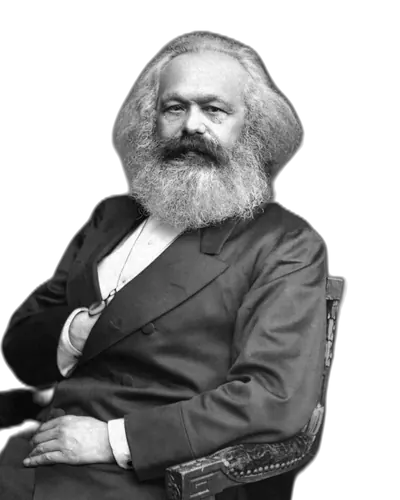
Karl Marx ke perspective se dekhen to unpaid family labour capitalism ke reproduction ke liye invisible surplus contribute karta hai. Women ka unpaid work labour power ko reproduce karta hai, lekin market me commodity ki tarah value capture nahi hoti. Isse ghar aur economy ke beech ka hidden relation samajh aata hai. Marxist lens yeh bhi dikhata hai ki informal labour cost ko low rakhkar agrarian aur market structures apna accumulation maintain karte hain.
Sylvia Walby ka concept of private patriarchy aur public patriarchy yahan highly relevant hai. Rural households me private patriarchy women ki mobility, choice aur labour allocation ko control karti hai, jabki public patriarchy labour market me low wages, segregation aur lack of recognition ke through operate karti hai. Female LFPR ka rise tab bhi inequality ko erase nahi karta jab entry mostly low-paid ya unpaid zones me ho.
Maria Mies ne housewifisation thesis me bataya tha ki women ke labour ko domesticity aur dependency ke frame me push kiya jata hai. Rural India me women ka farm work, cattle care, seed selection, post-harvest processing aur household subsistence work often “help” ke roop me classify hota hai, “work” ke roop me nahi. Yeh exactly housewifisation ka sociological example hai, jahan productive labour ko domestic duty bana diya jata hai.
Bina Agarwal ki land ownership gap par research yahan decisive hai. Agar women ke paas land title, inheritance rights aur productive assets nahi honge, to unki bargaining power weak rahegi. Land ownership sirf asset nahi, social status aur decision-making power bhi deti hai. Gender gap in property rights unpaid labour ko aur entrenched kar deta hai.
M.N. Srinivas ke Sanskritization/Westernization se zyada relevant unka agrarian social structure aur dominance approach hai. Village society me caste, kinship aur patriarchy milkar women ke work roles define karte hain. Dominant caste household strategies aur land relations women ke labour ko family-based productive support me convert kar dete hain, without corresponding autonomy.
3. Indian Context & Case Studies
Indian rural economy me women ki participation historically invisible रही hai because Census aur surveys often unpaid family labour, self-employment aur subsistence activities ko undercount karte rahe. Agriculture me women seed preservation, transplanting, weeding, harvesting, fodder collection, milking aur post-harvest tasks me central role nibhati hain. Phir bhi unhe decision-making, land title aur cash income me marginalization face karna padta hai.
Case study level par SHG-based livelihoods, dairy cooperatives aur women-led micro-enterprises ne kuch spaces me visible income create kiya hai. Lekin yeh gains uneven hain. Rural India me formal sector jobs limited hain, aur majority women agriculture aur allied sectors me hi absorb hoti hain. Isliye LFPR growth ka ek hissa distress-led labour supply bhi ho sakta hai, na ki purely opportunity-led empowerment.
Land and asset ownership ka gap state-wise differences me bhi dikhta hai. Jahan women ke naam par property registration, joint titles, self-help group credit aur local institution participation zyada hai, wahan labour market outcomes relatively better milte hain. Yeh Bina Agarwal ke argument ko reinforce karta hai ki empowerment ka base productive assets hain, sirf participation rate nahi.
Ek aur structural factor social norms hain. Gendered division of labour ke kaaran women ko paid work ke saath unpaid care work bhi carry karna padta hai. Double burden women ke available hours ko limit karti hai. Isliye even when women enter labour force, they often remain in casual, home-based or family-based work arrangements.
4. UPSC Mains Linkage & Model Question Approach
This news fits both Paper 1 and Paper 2. Paper 1 me aap patriarchy, social stratification, division of labour, labour market, gender and social change ko link kar sakte ho. Paper 2 me rural society, agrarian relations, women empowerment, informal sector, development, family and kinship, and social movements relevant hain.
How to structure a Mains answer
Introduction: PLFS 2023-24 ka figure cite karke mention karein ki female LFPR rise hua hai, but unpaid rural work is the major driver. Thesis likhein: “Higher participation does not automatically mean substantive empowerment.”
Body Part 1 - Conceptual explanation:
- Gendered division of labour
- Patriarchy and unpaid care work
- Formal vs informal organisation of work
- Labour market segmentation
Body Part 2 - Thinker integration:
- Marx: invisible reproduction of labour power
- Sylvia Walby: private/public patriarchy
- Maria Mies: housewifisation
- Bina Agarwal: land and bargaining power
- M.N. Srinivas: agrarian caste-household power structures
Body Part 3 - Indian evidence:
- Rural women in agriculture as unpaid family helpers
- Limited land ownership and wage access
- SHGs/dairy as partial but uneven empowerment
- Informalisation and distress-led work
Body Part 4 - Way forward:
- Recognise unpaid work in official statistics
- Joint land titles and inheritance enforcement
- Creches, care infrastructure, safe transport
- Wage parity and social security
- Skill training linked to formal jobs
Model Mains Question
“PLFS data shows a rise in female labour force participation in India, but much of it is driven by unpaid rural work. Discuss the sociological implications of this trend.”
Answer approach
- Define LFPR and distinguish quantity vs quality of work
- Explain patriarchy and informalisation
- Use thinkers and Indian evidence
- Conclude with policy recommendations for substantive gender equality
Overall, this news is a classic example of how aggregate labour statistics can hide gendered inequality. For sociology, the real issue is not only whether women are working, but whether their work is recognised, remunerated and empowered within the structures of patriarchy and the informal economy.
| Term | Matlab | Thinker |
|---|---|---|
| Unpaid Family Labour | Aisa work jo household ya farm ke liye hota hai, par wages ya formal recognition nahi milta. | |
| Informalisation | Employment ka aisa pattern jahan job insecure, unregulated aur without social security hoti hai. | |
| Private Patriarchy | Household level control jahan men women ki mobility, labour aur decisions par dominance rakhte hain. | |
| Housewifisation | Women ke productive labour ko domestic duty me convert karke unki economic value ko invisibilize karna. |