Current Affairs
Urban Heatwaves & Water Scarcity Hit Informal Settlements Hardest: Risk Society Check
Urban heatwaves aur water scarcity informal settlements ko sabse zyada hit kar rahi hain. Risk Society lens se dikhta hai ki climate risks equal nahi, balki class-wise unequal hain.
Source:The Hindu ↗CSE India ↗
Khabar ek nazar mein
- Informal settlements mein heat exposure higher hota hai kyunki tin roofs, dense housing aur low tree cover se indoor temperature aur badh jati hai.
- Water scarcity slums ko disproportionately hit karti hai: irregular supply, tanker dependency aur pipeline exclusion daily life ko precarious banati hai.
- Ulrich Beck ke Risk Society framework ke mutabik climate risks 'democratic' nahi hote; poor communities par unka impact zyada severe hota hai.
- Amita Baviskar ke bourgeois environmentalism lens se urban planning often middle-class aesthetics prioritize karti hai, not basic shelter-water justice.
1. Khabar & Latest Data
Urban heatwaves aur water scarcity ab sirf seasonal discomfort nahi rahe; yeh urban inequality ke direct markers ban gaye hain. Informal settlements, bastis, jhuggi clusters aur peri-urban slums mein heat stress aur water insecurity ka burden sabse severe hota hai. Reason simple hai: in areas mein pucca housing, thermal insulation, tree cover, reliable piped water, aur cooling infrastructure ki severe shortage hoti hai.
Recent policy and field observations bar-bar yeh dikhati hain ki low-income neighbourhoods urban heat islands ke core pockets ban jaate hain. Dense construction, metal/tin roofs, narrow lanes aur open drains heat retention ko badhate hain. Water scarcity ke case mein bhi pattern similar hai: tanker water, shared taps, long queues, aur rationed supply daily routine ko destabilize karti hai. Heatwaves ke dino mein water demand aur badh jaati hai, lekin supply already constrained hoti hai—thus a double vulnerability emerges.
Indian cities mein climate stress ke saath urban deprivation intersect ho rahi hai. Slum households often spend a larger share of income on water procurement, cooling substitutes, healthcare, and lost workdays. Construction workers, street vendors, domestic workers, rickshaw pullers aur gig workers jaise informal workers par heat-related livelihood loss immediate hota hai. Isliye urban heatwaves ko sirf meteorological event nahi, balki socio-spatial inequality ke lens se dekhna chahiye.
2. Sociological Perspectives & Thinkers
Ulrich Beck ki Risk Society thesis yahan central hai. Beck ke according late modernity mein risks manufactured hote hain—industrialization, urbanization aur climate change unhe produce karte hain. Lekin yeh risks socially equal distribute nahi hote. “Climate risk is not democratic” ka core idea yahi hai ki wealthy households ACs, borewells, private tankers, insulated homes aur insurance se apna exposure buffer kar lete hain; while slum dwellers ke paas buffers nahi hote.
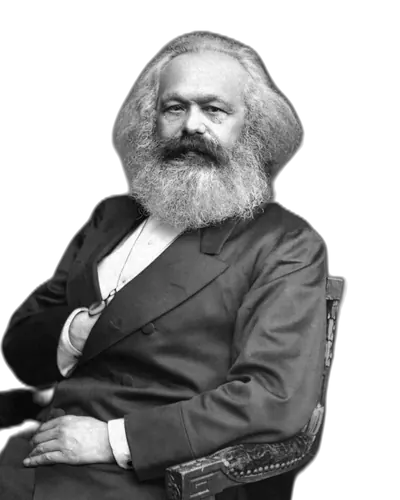
Karl Marx ke perspective se yeh situation capitalism ke unequal urban development ko reflect karti hai. City space profit-oriented production aur real estate value ke basis par organize hota hai. Informal settlements often labour reproduction ka hidden base hote hain: city ki services chalane wale workers yahin rehte hain, but urban infrastructure investment yahan minimum hota hai. Marxist lens batata hai ki environmental burdens bhi class relations ke through distribute hote hain. Space, housing, water aur health ek saath commodified ho jaate hain.
Yogendra Singh ka framework modernisation, social change aur Indian society ke transitional contradictions ko samajhne mein useful hai. Urbanisation ek taraf mobility, aspiration aur new livelihoods laati hai; doosri taraf unplanned growth, infrastructural deficit aur social exclusion ko deepen karti hai. Singh ka sociological approach yeh highlight karta hai ki modern city sirf economic transformation nahi, balki stratification ka reconfiguration bhi hai. Informal settlements yeh prove karte hain ki urban growth inclusive development ke bina fragmented modernization create karta hai.
Amita Baviskar ka bourgeois environmentalism yahan extremely relevant hai. Unka argument hai ki urban environmental discourse aksar elite concerns—clean aesthetics, green spaces, lakefront beautification, anti-encroachment drives—par focus karta hai, while poor communities ki survival needs sidelined ho jaati hain. Heat mitigation projects jab sirf parks, gated green corridors ya premium waterfronts tak limited rahte hain, tab environmental justice compromised hoti hai. Slum eviction in the name of “clean city” is a classic bourgeois environmentalism pattern.
3. Indian Context & Case Studies
Indian cities mein heatwaves aur water scarcity ka impact already visible hai. Delhi, Ahmedabad, Hyderabad, Chennai, Bengaluru aur Mumbai jaise metros mein heat stress and water stress alag forms mein manifest hote hain. Ahmedabad ka heat action planning often model case ke roop mein cite hota hai, but even there informal settlements ko targeted cooling, drinking water access aur occupational protection ki continuous need rehti hai.
Chennai water crisis ne dikhaya ki piped supply ka breakdown kaun sa class sabse pehle bear karta hai. Water tankers, storage containers, informal markets aur queue-based access poor households ke liye normalization of scarcity ban jaate hain. Mumbai mein slums coastal exposure, flooding, humidity aur heat island effects ka mixed burden face karte hain. High-density slums often ventilation-poor hote hain, jahan night-time temperature bhi relief nahi deti.
Bastis mein women aur children ka burden aur bhi zyada hota hai. Women water collection, household cooling, sick care aur food preparation ka unpaid labour absorb karti hain. Children dehydration, sleep loss aur school attendance problems face karte hain. Informal workers ko “work or rest” ka false choice milta hai: heatwave mein kaam chhodo to income loss, kaam karo to health loss.
Data-wise, urban poor communities frequently rely on shared public taps, community standposts, or informal vendor supply. Jahan water piped nahi hai ya intermittent hai, wahan storage contamination aur conflict risk badhta hai. Similarly, slum areas with low vegetation and high built density often experience stronger urban heat island effects than planned colonies. Is pattern se clear hai ki climate vulnerability ko only ecological issue kehna insufficient hai; yeh urban governance aur inequality ka outcome hai.
4. UPSC Mains Linkage & Model Question Approach
Paper 2 linkage:
- Slums and urban deprivation: heatwaves aur water scarcity slum life ke everyday deprivation ko deepen karti hain.
- Growth of urban settlements: unplanned urban expansion, informality and infrastructure gaps climate vulnerability ko amplify karte hain.
Paper 1 linkage:
- Social inequality, stratification, urban space, environment-society interface, and modernity/risk.
- Beck ke through late modern risks; Marx ke through class exploitation; Baviskar ke through environmental justice.
Mains answer approach:
- Start with a crisp thesis: urban heatwaves and water scarcity are not merely natural hazards but socially produced inequalities.
- Use a conceptual frame: Risk Society + Marx + bourgeois environmentalism + urban deprivation.
- Add Indian evidence: slums face poor housing, tanker dependence, low green cover, irregular water supply, and informal work vulnerability.
- Show policy implications: inclusive heat action plans, universal water access, slum upgrading, shaded public spaces, occupational safeguards, and anti-eviction climate justice.
- Conclude with a normative point: climate resilience must be redistribution-oriented, not only beautification-oriented.
Model question: “Discuss how urban heatwaves and water scarcity reveal the unequal social distribution of climate risk in Indian cities. Examine the issue using Risk Society and environmental justice perspectives.”
Value addition points for answer:
- Mention that climate risk is mediated by class, housing quality, gender and informal work.
- Use one line from Beck: risks are manufactured and unevenly distributed.
- Use Baviskar to critique elite-led urban environmentalism.
- Bring in Marx to show how city development externalizes costs onto labouring poor.
- End with a sociological conclusion: urban sustainability without social justice is incomplete.
| Term | Matlab | Thinker |
|---|---|---|
| Risk Society | Ulrich Beck ka idea ki modern risks human-made hote hain aur class ke hisaab se unequal tarike se distribute hote hain. | |
| Bourgeois Environmentalism | Amita Baviskar ka term; elite urban environmental actions jo aesthetics ko prioritize karke poor communities ko side-line kar dete hain. | |
| Urban Heat Island | Dense built-up areas mein heat retention zyada hone se temperatures surrounding areas se higher ho jaate hain. | |
| Informal Settlement | Aisa urban habitation jahan legal tenure, basic services, aur planned infrastructure ki deficiency hoti hai. |